
Phasing Beverage antennas into the array

In this article you will find some notes on using our Single Wire Beverage set as a phased array antenna. To get more gain, a narrower receiving lobe or to eliminate interference - these are the reasons to phase antennas into arrays.
Jump to
Why antenna array
Comparisons of arrays
Comparison of array for 80m
Jumper settings
Configuration for 2el Broadside
Configuration for 3el Broadside
Configuration for 2el End-Fire
Example for 3 band array
Simply working configuration
Why antenna array
Antenna array is a set of multiple connected antennas which work together as a single antenna.
Why use RX antenna? There can be several reasons:
- to achieve higher antenna gain
- narrowing the receiving lobe in the desired direction
- increasing the front-to-back ratio
- nulling the signal from a specific direction
Typical configuration of antennas in the system is:
- Broadside array: antennas are arranged side by side
- End-Fire array: antennas are placed close to each other
- combination of both
Antenna arrays can usually be operated over a wider range of frequencies. A typical limiting parameter is the distance between the antennas, where higher frequencies cause, for example, deformation of the main lobe.
You can find a lot of information in ON4UN Low Band DXing book and W8JI web.
Here you will find examples and comparisons of a simple Beverage antenna and a possible array.
Comparisons of arrays
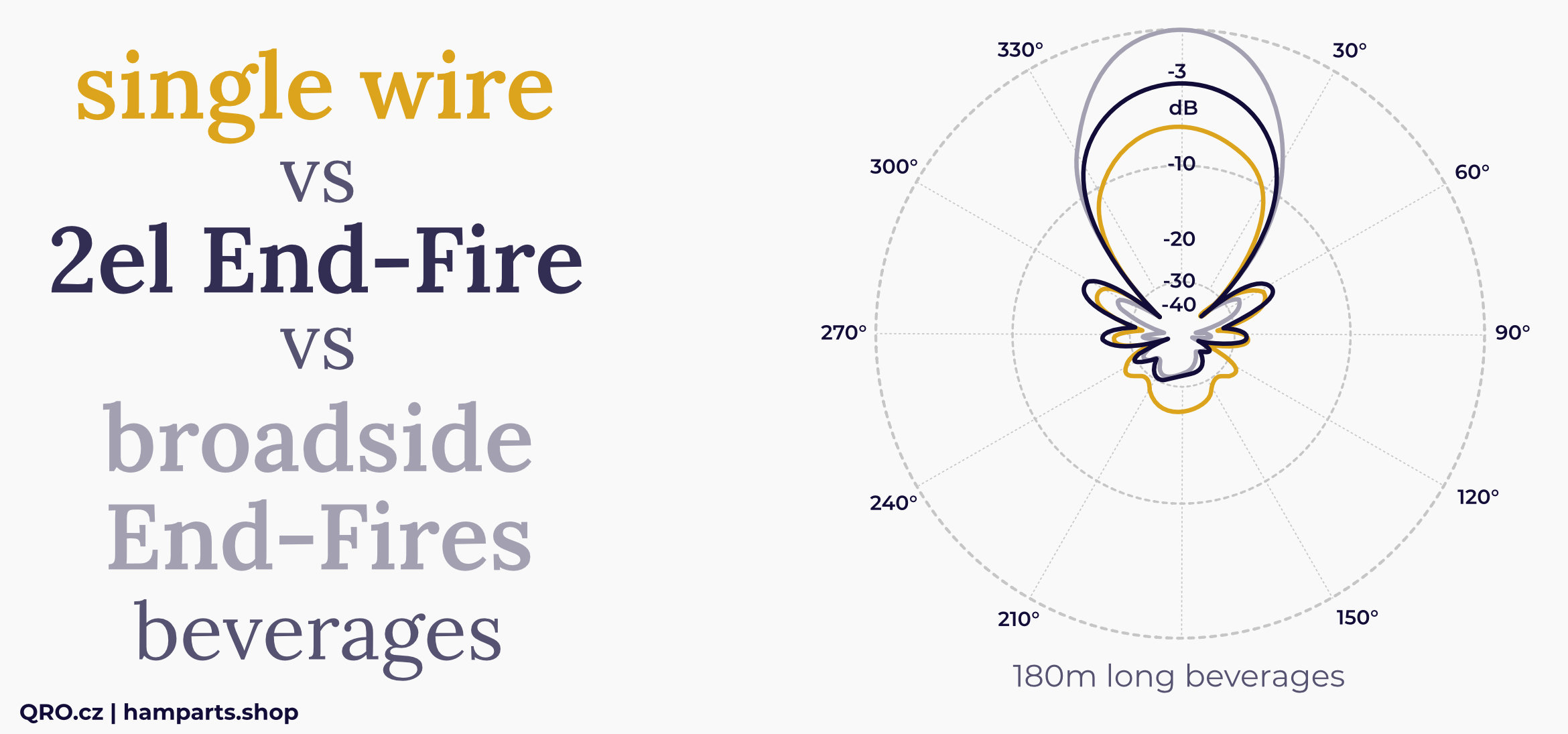
Thanks to the new design of the Single Wire Beverage set, the correct output phase can be set using the internal Jumper. With the same phase, the antennas can simply be placed side by side in a Broadside array. By switching one feeder box to a 180 degree offset, you can make an End-Fire array - the antennas are side by side, but one is moved forward. If you have enough space, you can also make a combination of both and placed two End-Fire arrays parallel to each other to make a Broadside.
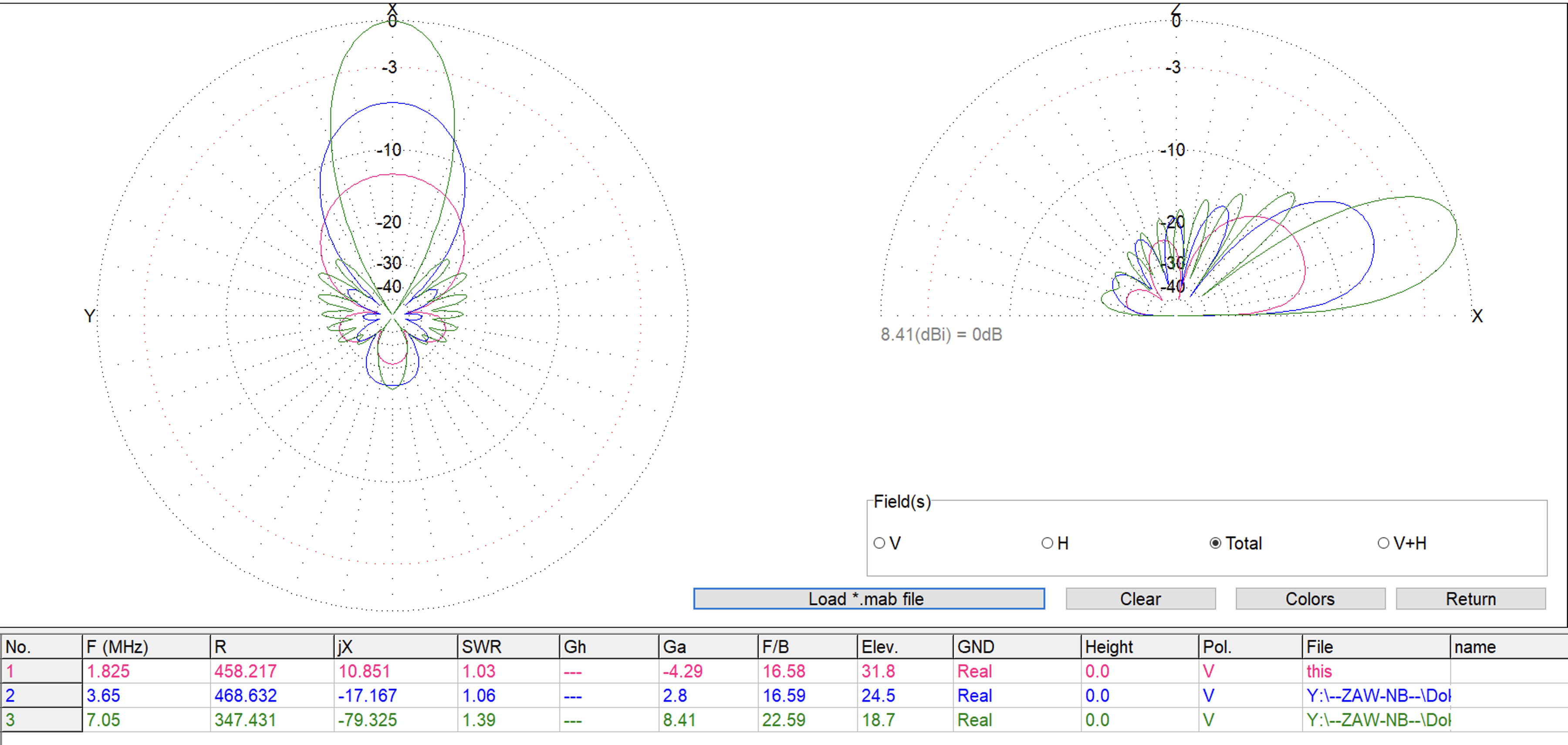
Comparison for 180m long Beverage antennas at 80m band in configuration of single element, 2el Broadside and 2el End-Fire
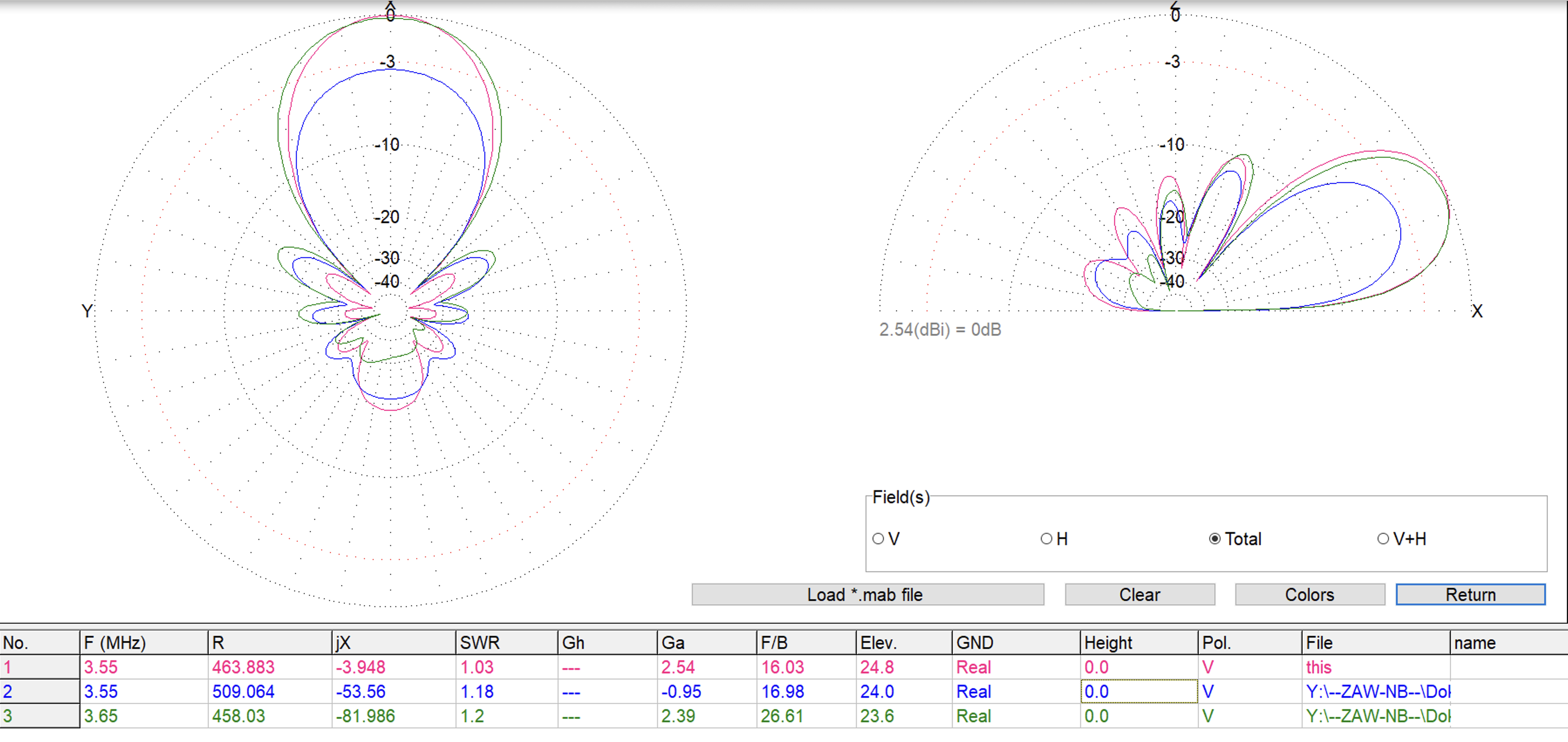 Blue = 1el Beverage, Green = 2el End-Fire, Pink = 2el Broadside distance 40m
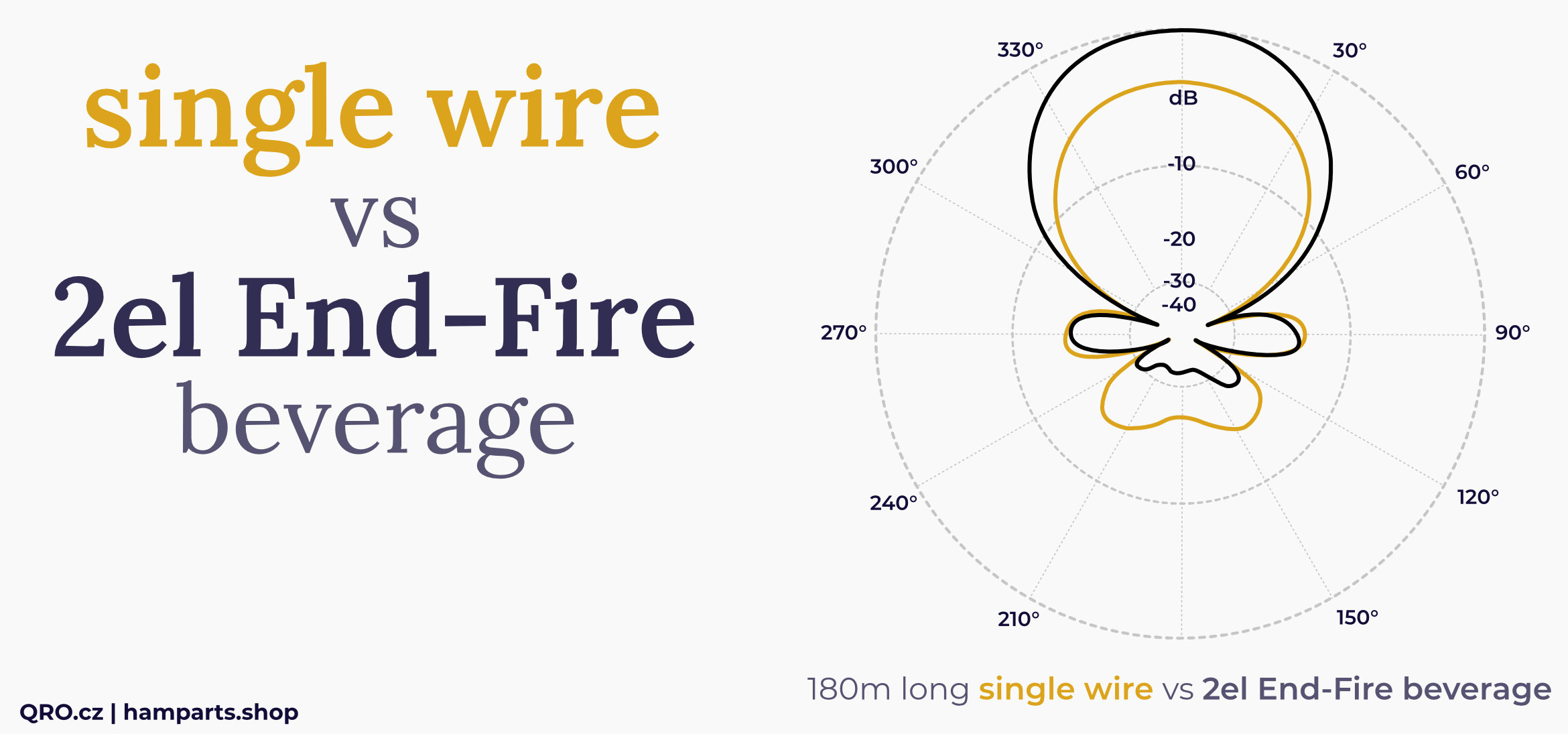
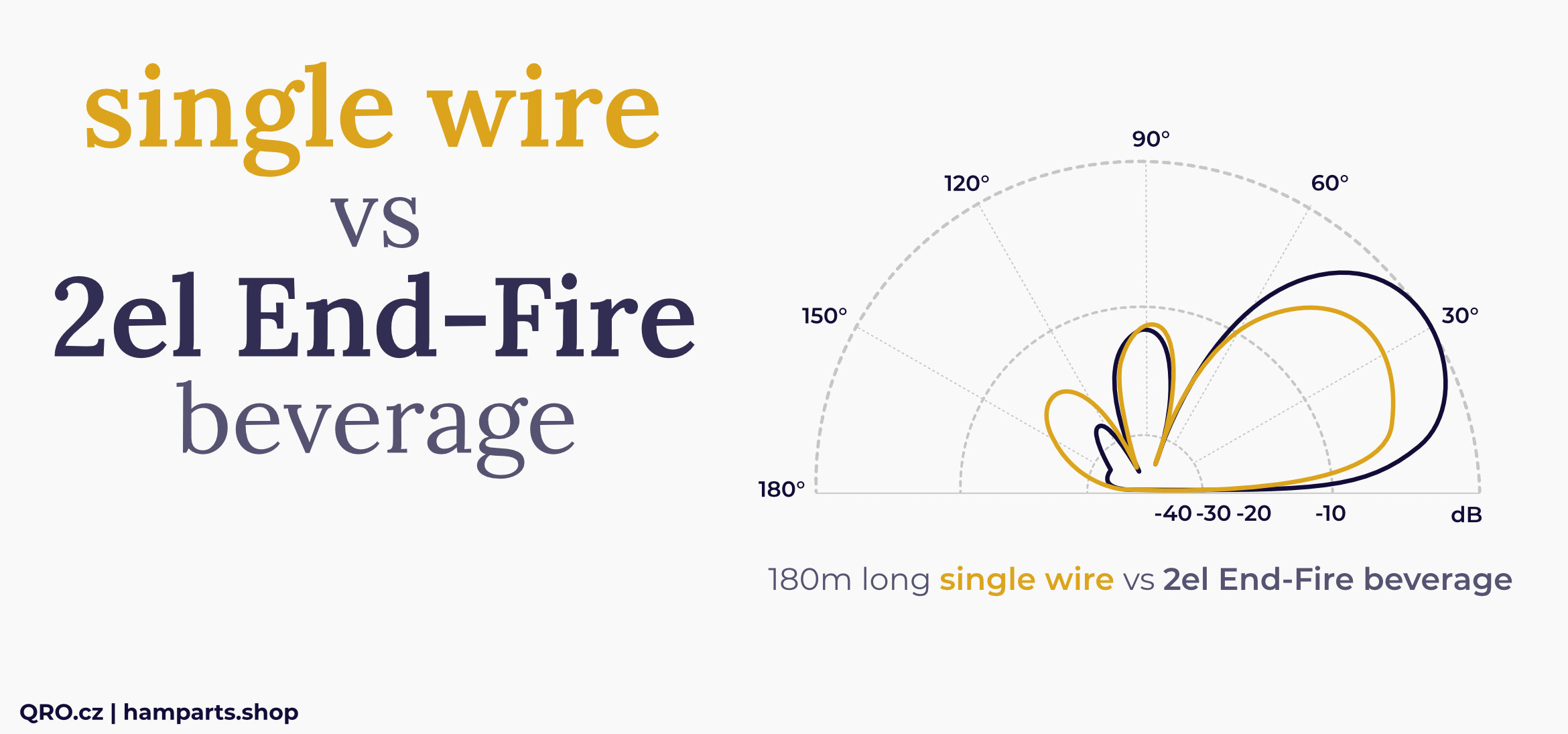
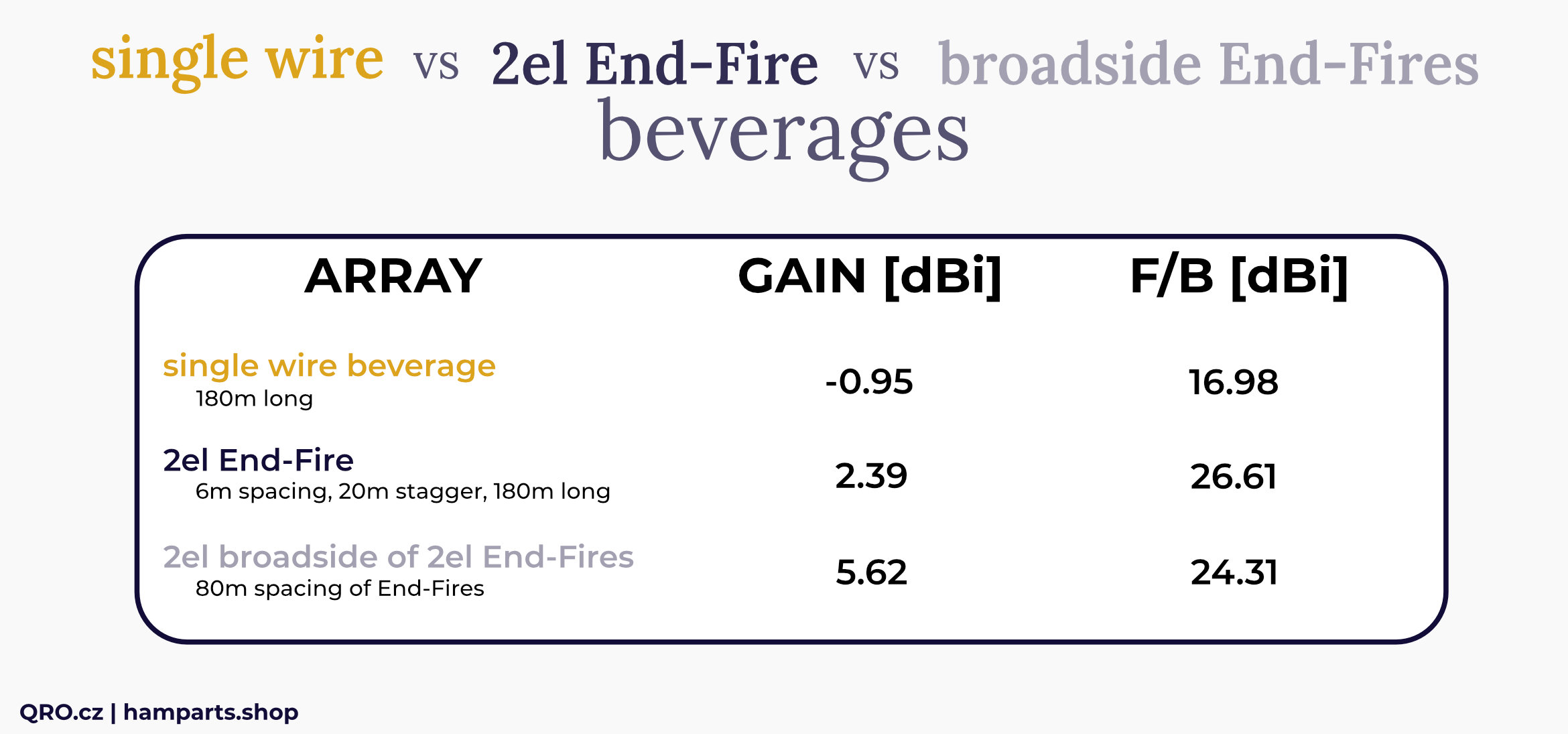
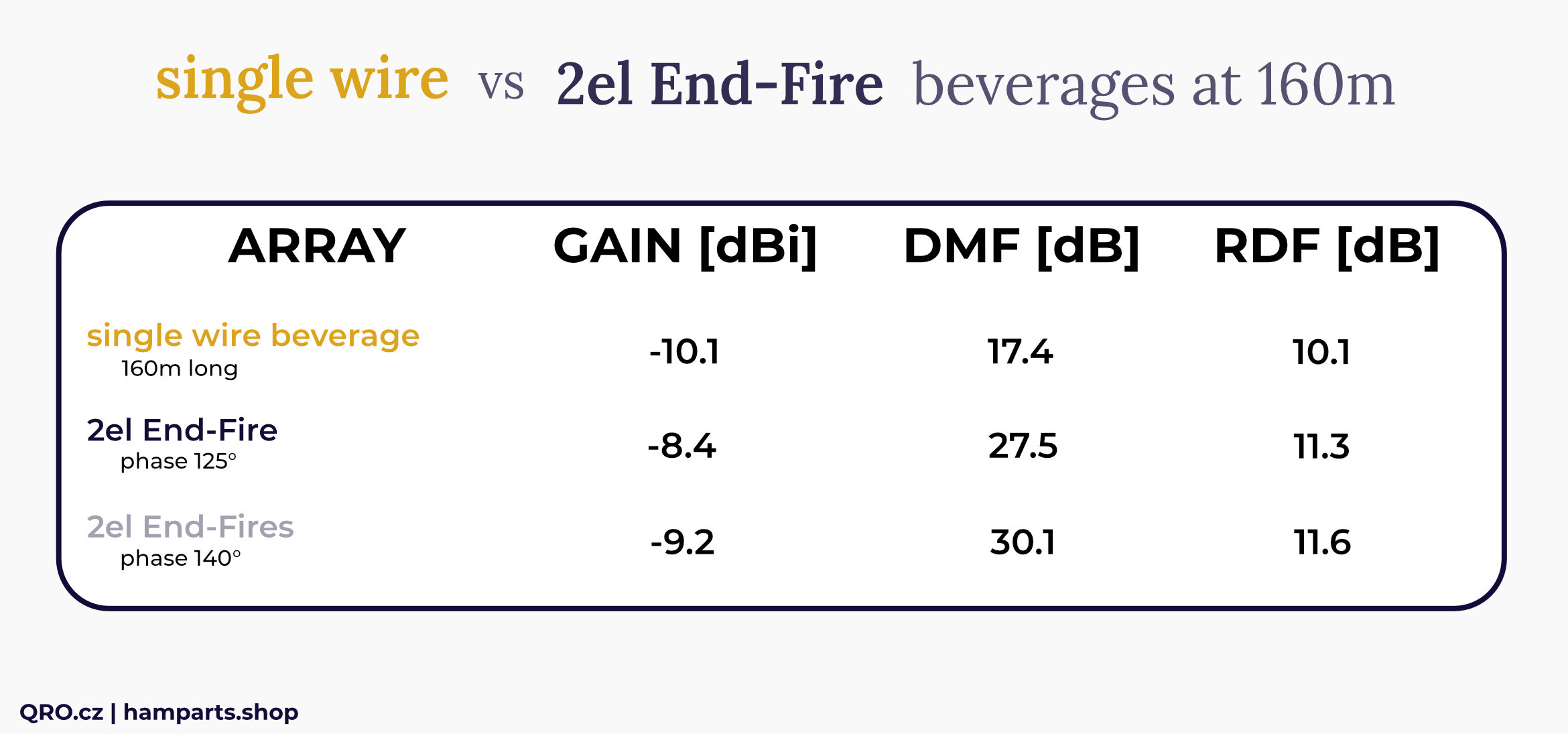
Comparison for 180m long Beverage antennas at 160m band in configuration of single element, 2el End-Fire
Comparison of array for 80m
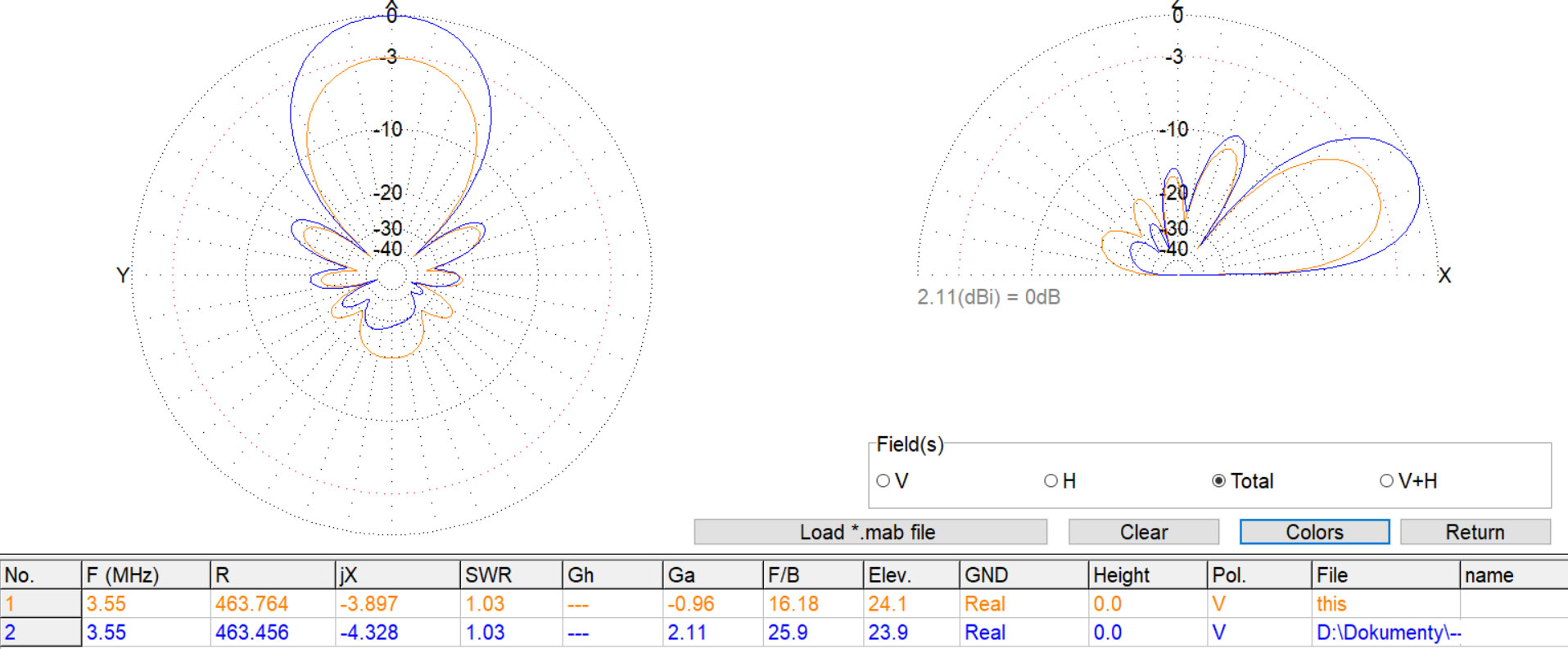
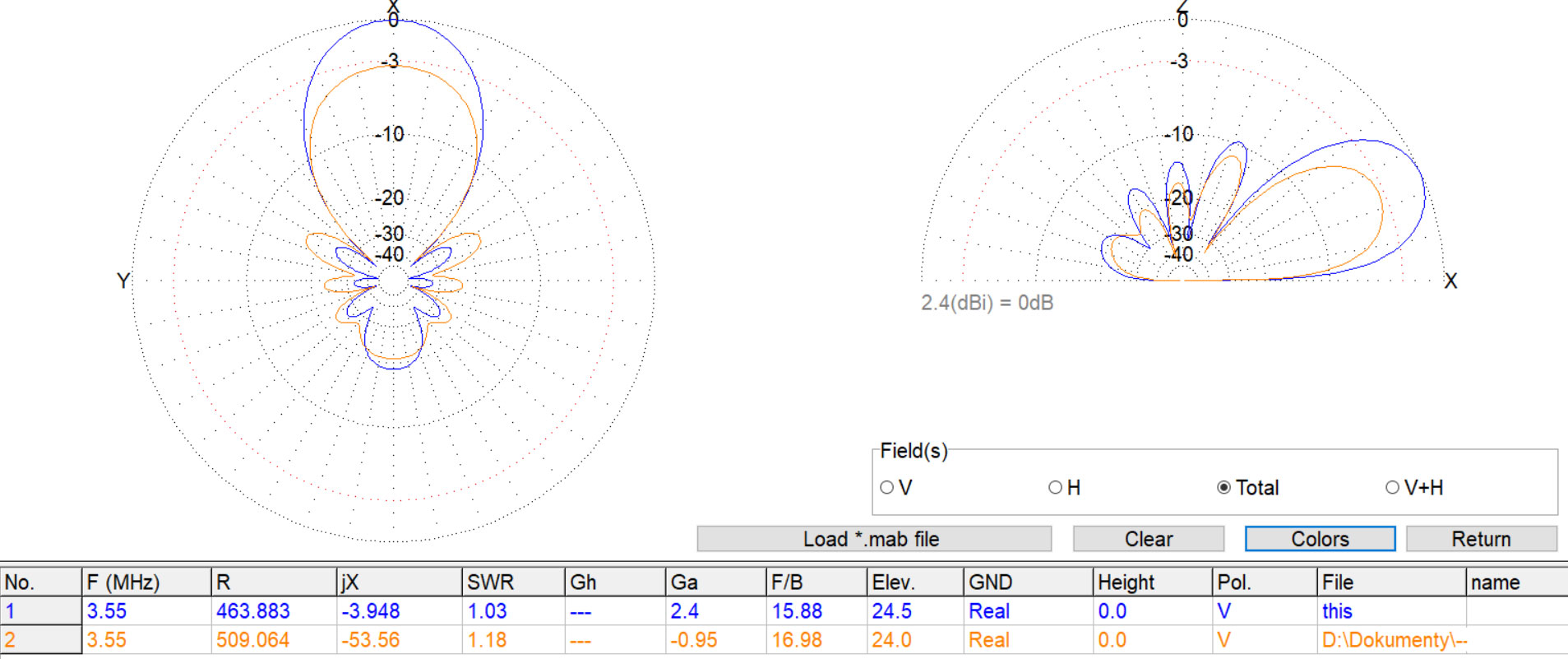
- Example with 180m long Beverage compare to arrays
- 2el broadside with 180m long Beverages and 40m spacing
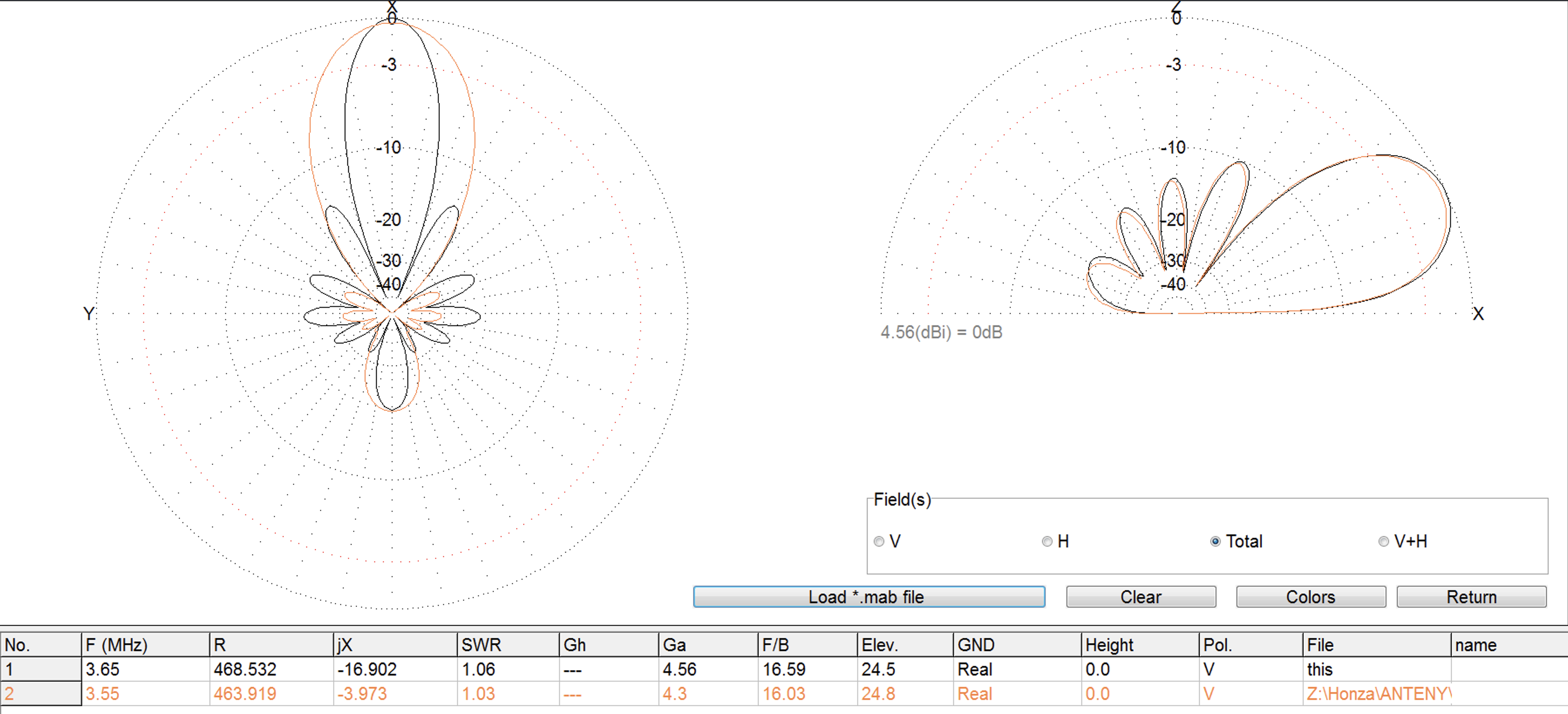
- 2el End-Fire with 6m spacing and 20m stagger distance. Phasing 84 deg.
Compare Single wire Beverage (1) and 2el End-Fire array (2)
Compare Single wire Beverage (2) and 2el broadside array with 40m spacing (1)
Compare 2el broadside array with 40m spacing (1) and 2el End-Fire array (2)
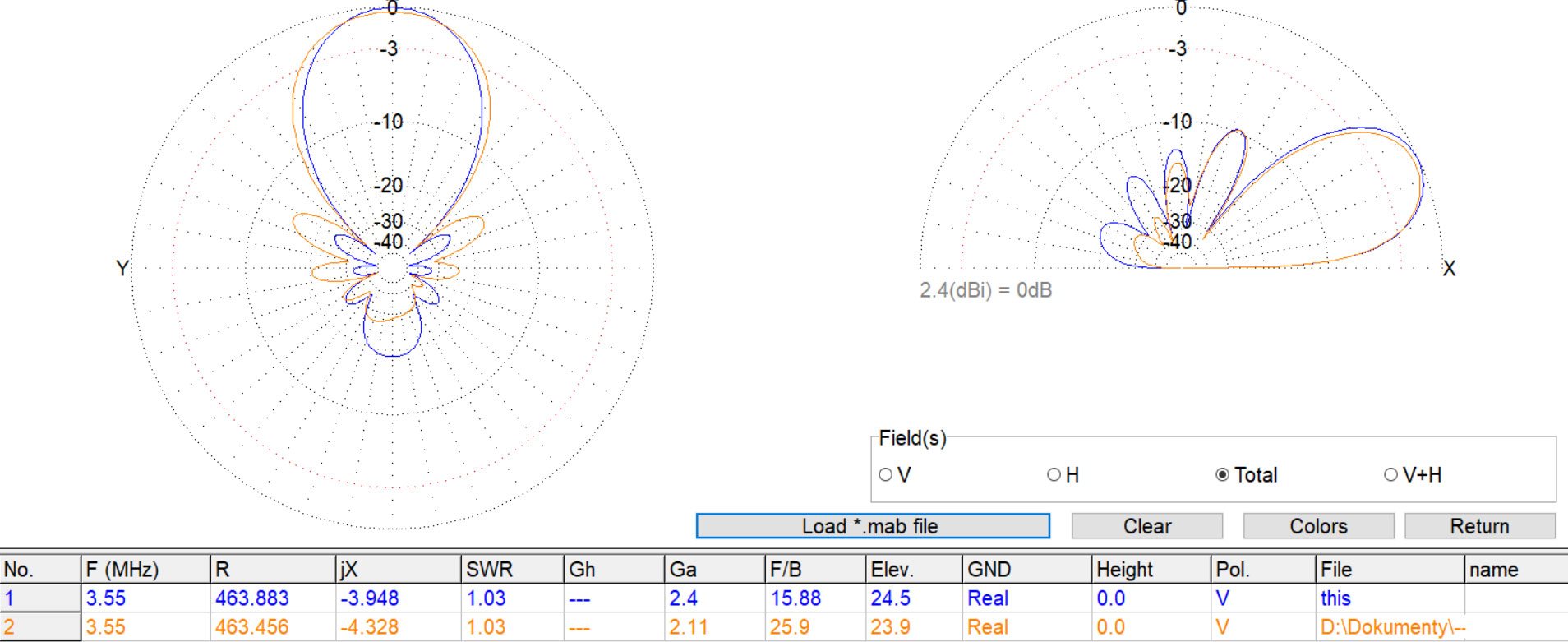
2el broadside array
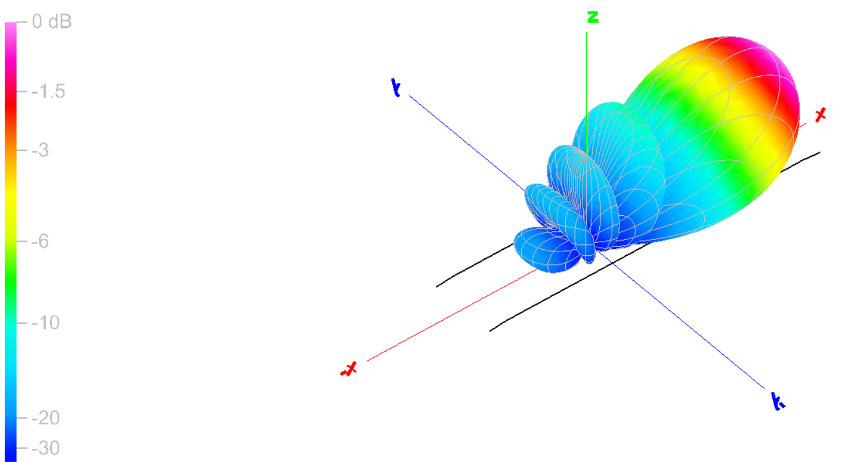
2el End-Fire Beverage
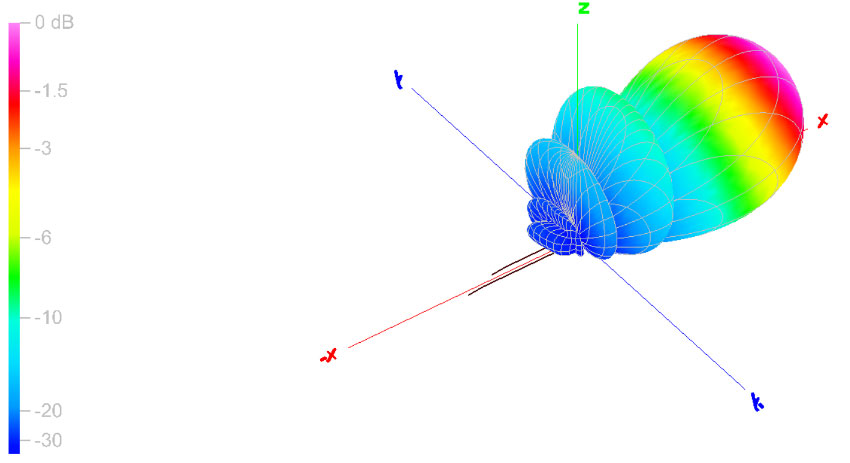
Ultimate RX antenna array. Two element End-Fire Beverages in broadside configuration with 40m spacing
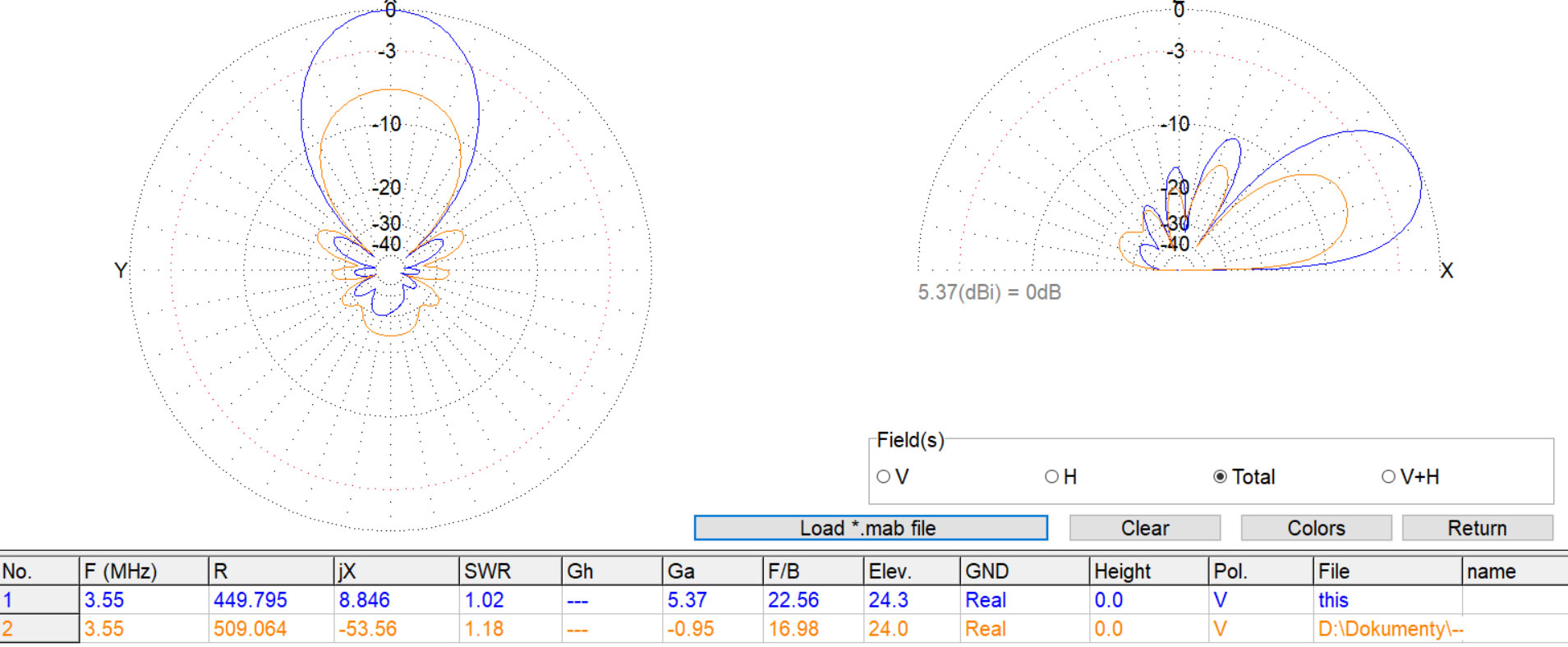
Compare Single wire Beverage (2) and 4el End-Fire array in broadside configuration (1)

Jumpers settings
There are several jumpers in the Single Wire Beverage set. The Universal Terminator allows you to adjust the load resistance of the antenna - see the manual for more information. The feeder box contains jumpers for the transformation ratio to 1:6.25 or 1:9 ration - again, see the instructions for more information. The main thing to integrate into the antenna array are the PHASE SHIFT jumpers. These jumpers will allow the phase of the output signal to shift from 0 to 180 degrees.
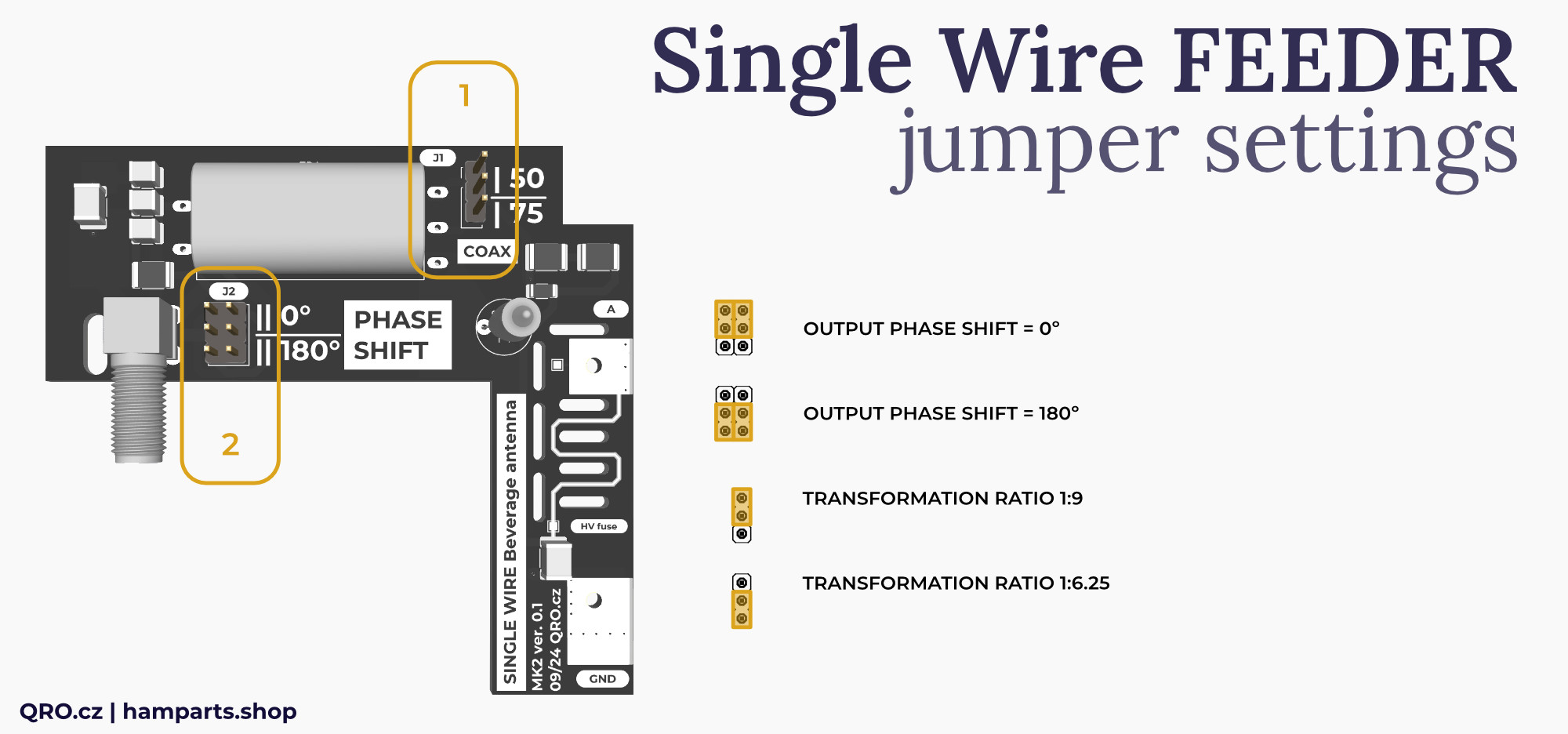
- Settings for antenna feeders:
- - Broadside array: both to 0 or 180 degrees.
- - End-Fire array: one feeder must be 0 and second feeder to 180 degrees.
Configuration for 2el Broadside
In this configuration, two identical Beverage Antennas are placed without offsetting each other in parallel at a distance of typically 0.25 to 0.625 lambda. For a single band system, 0.5 to 0.625 lambda.
- For this configuration of the two-element system you need:
- - 2x Single Wire Beverage MK2 antenna set
- - 1x 2-WAY Splitter Box
- - Connecting coax - must be the same length
- - Optional: CMCC filter
- - Optional: RX preamp Box
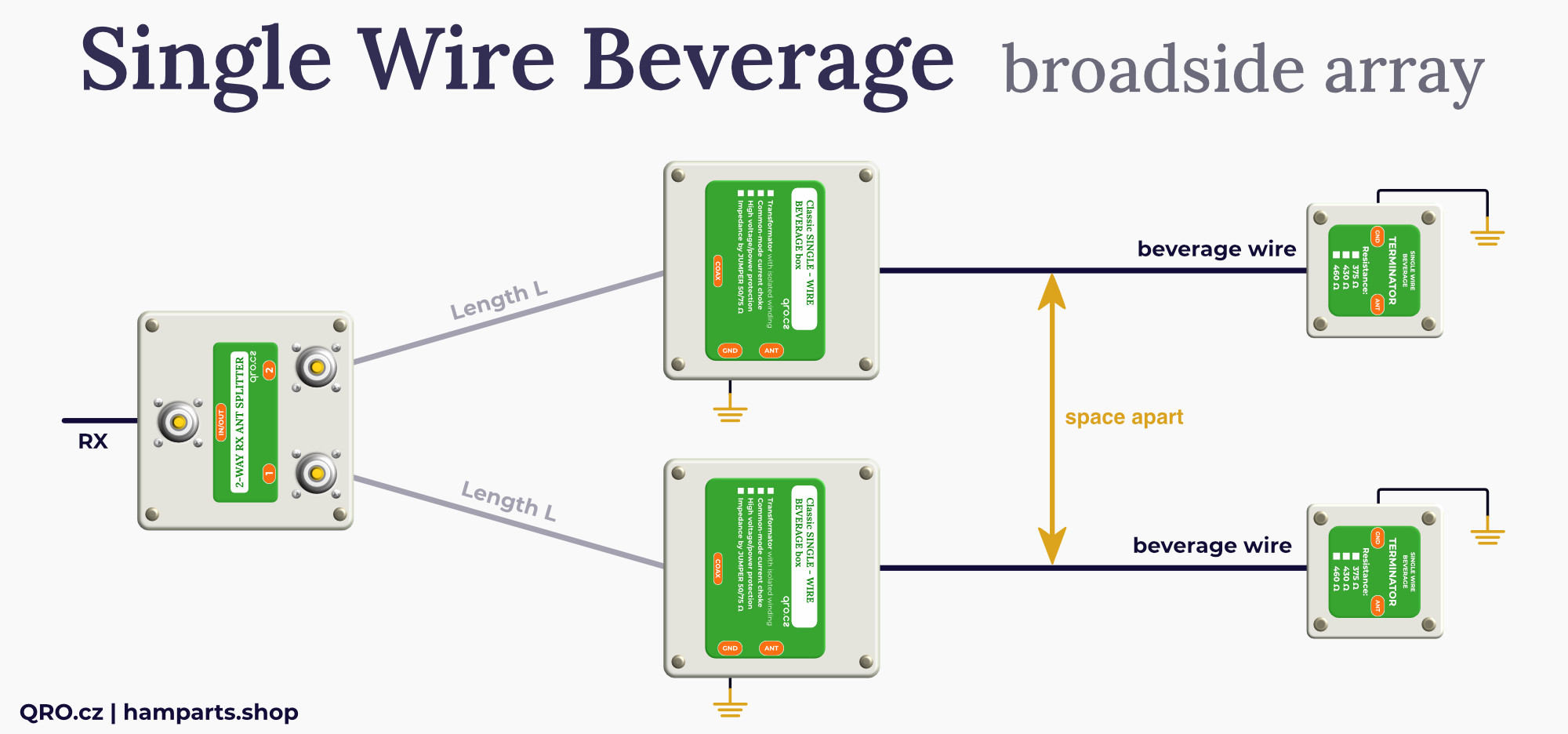
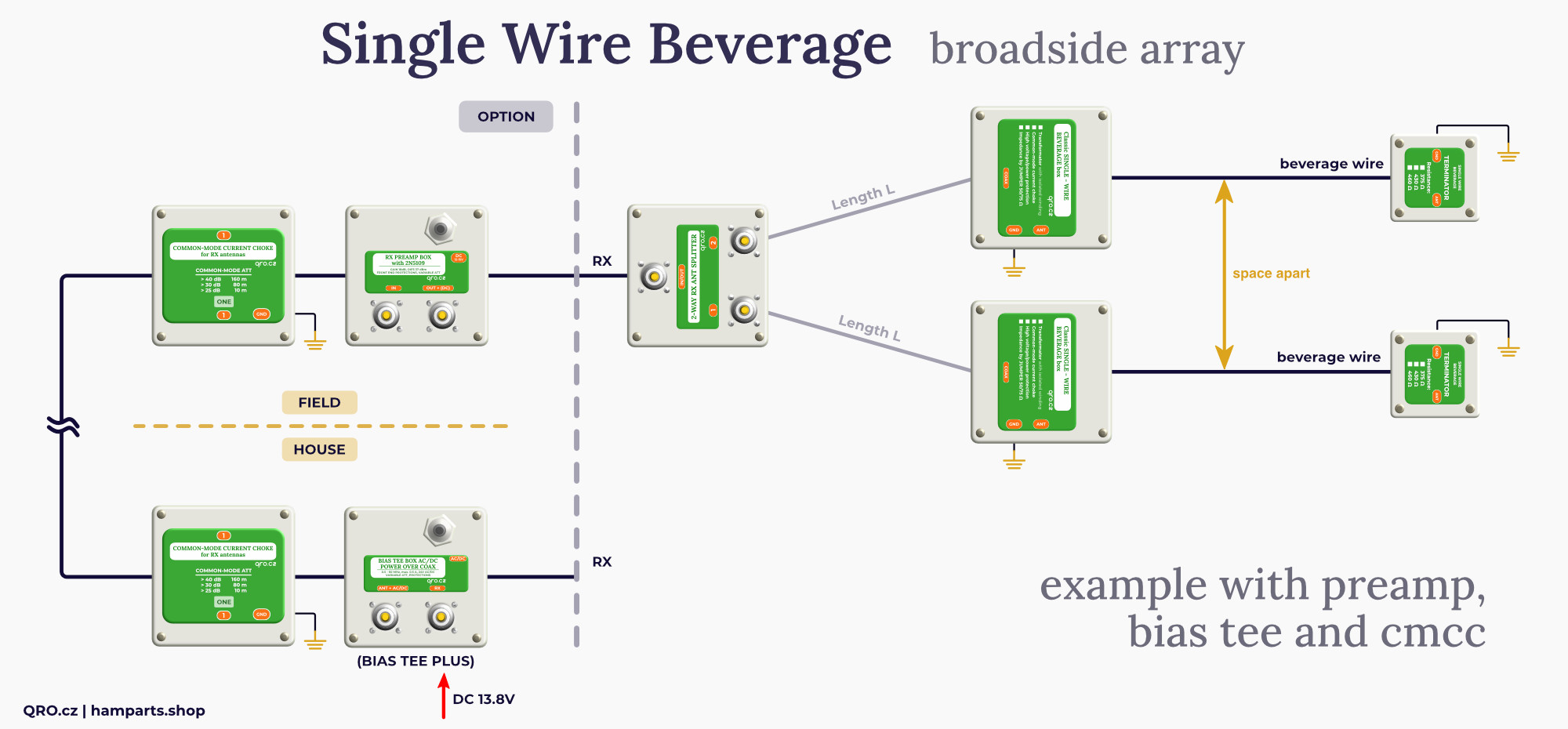
Here is an example for a 2el Broadside array which is composed of two 180m long Single Wire Beverages spaced 40m apart. This distance is therefore 0.25 lambda per 160m, 0.5 lambda per 80m and 1 lambda per 40m. Both feed point boxes are set to the same output phase.
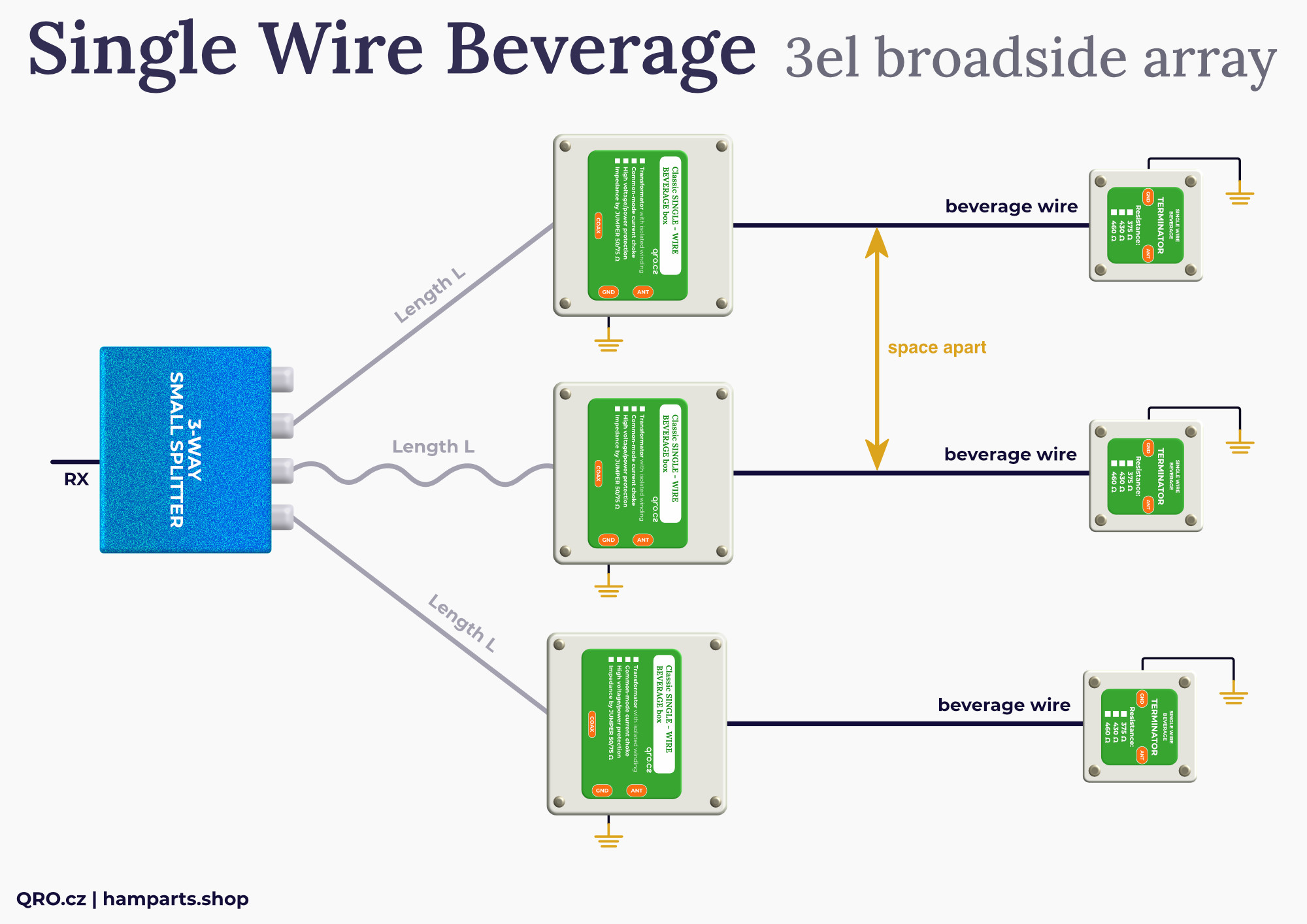
Configuration for 3el Broadside
- For this configuration of the three-element system you need:
- - 3x Single Wire Beverage MK2 antenna set
- - 1x 3-WAY small splitter Box
- - Connecting coax - must be the same length
- - Optional: CMCC filter
- - Optional: RX preamp Box
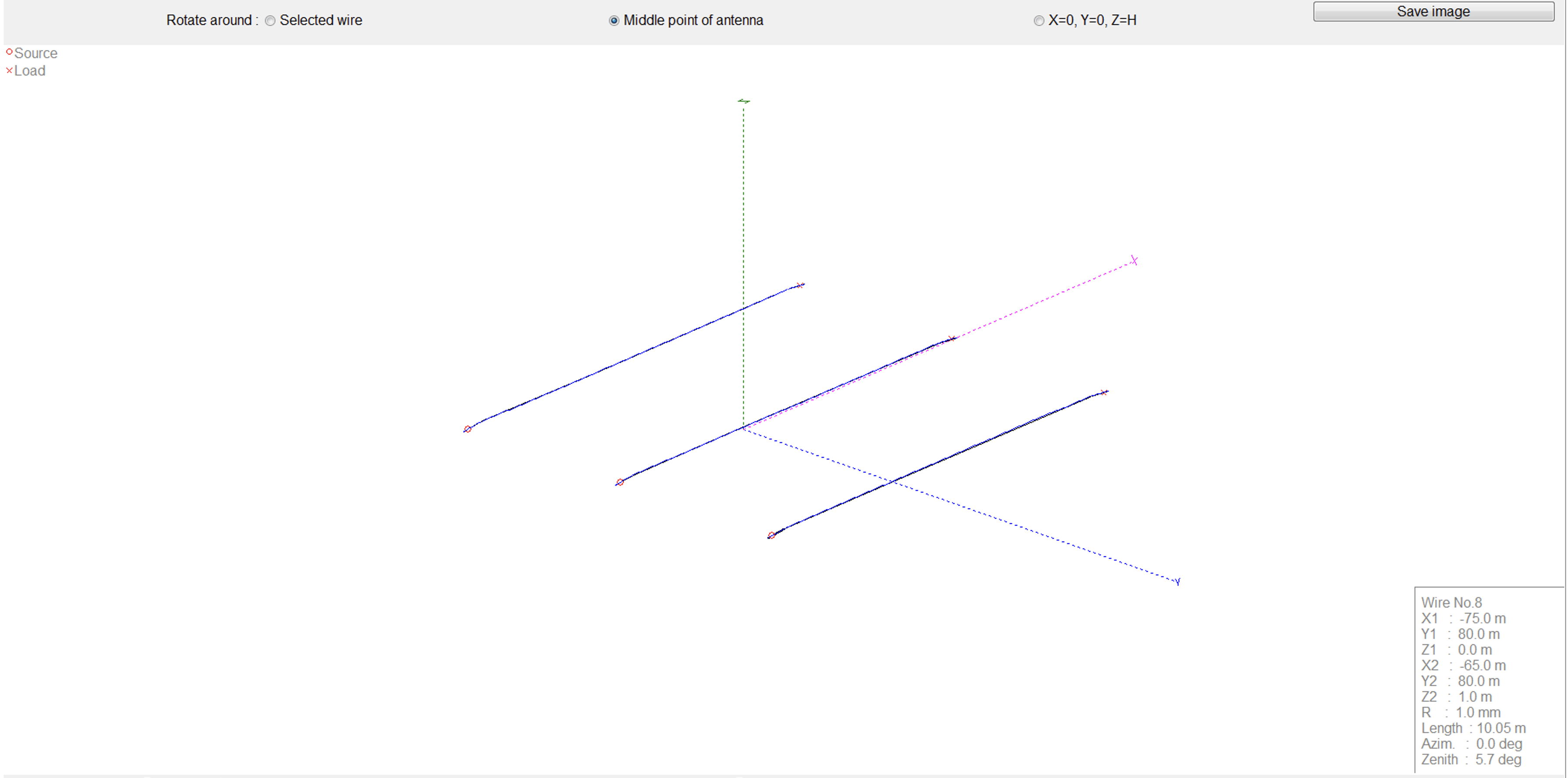
Construction
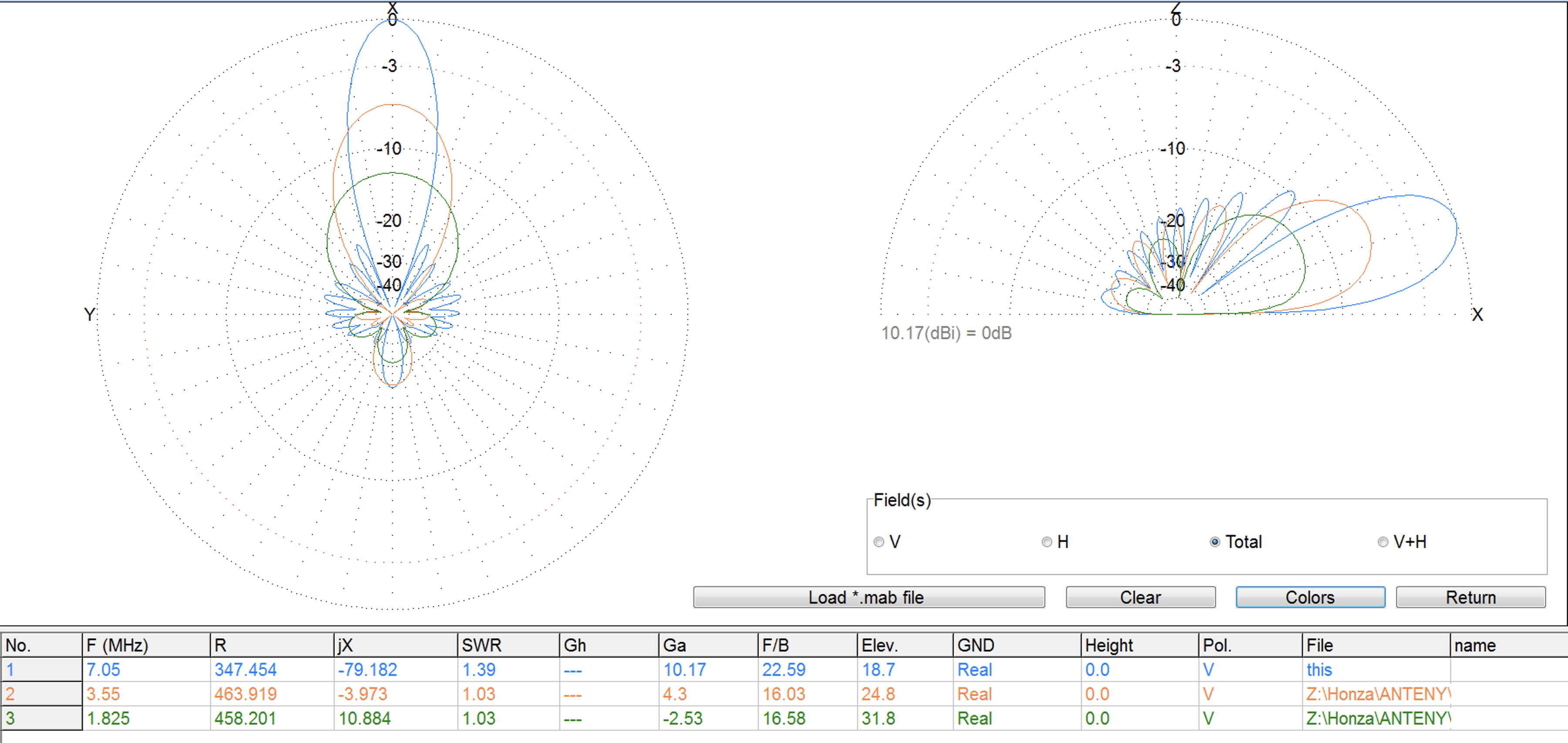
3el Broadside, distance between element is 40 and 40m
3el Broadside, distance between element is 80 and 80m
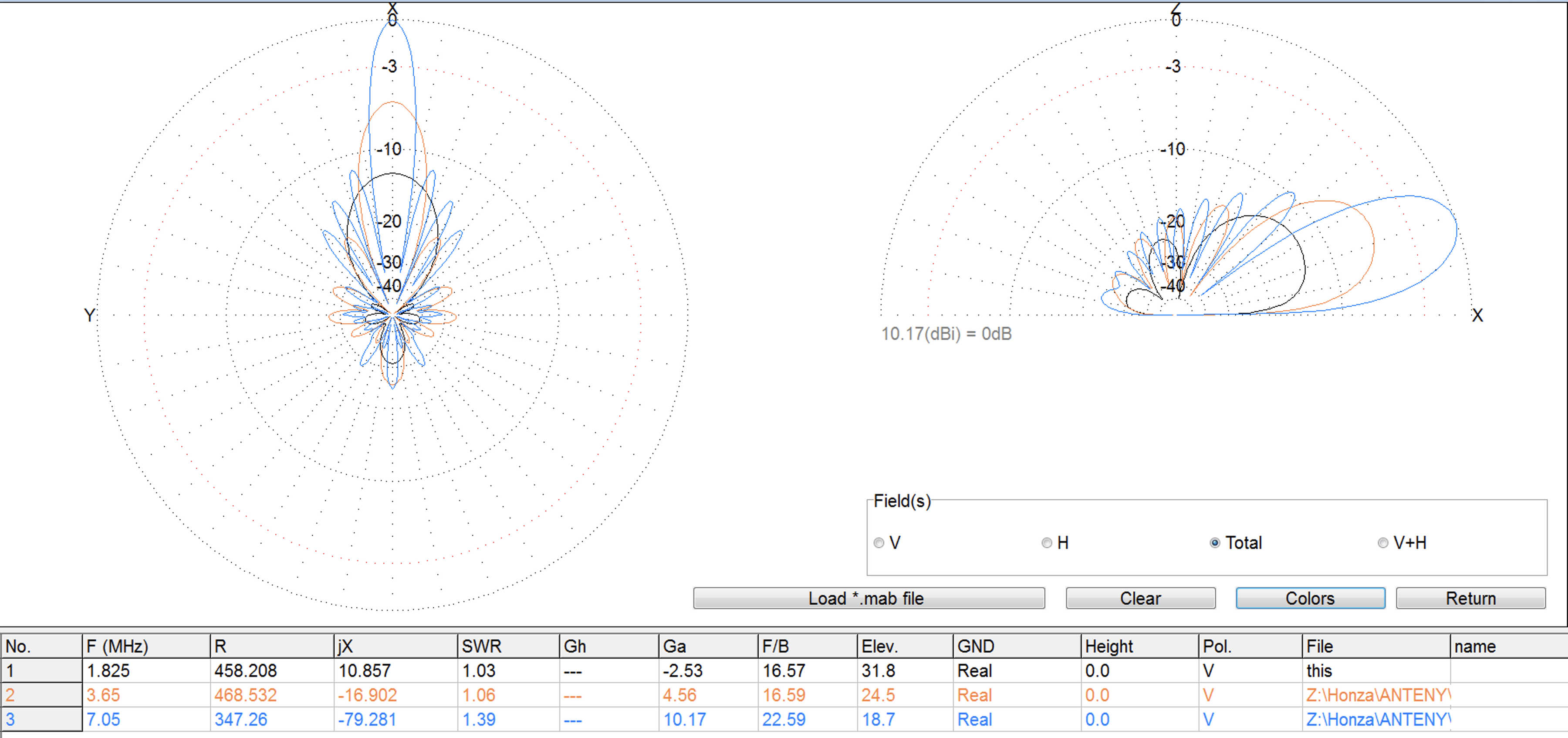
3el Broadside comparison, distance between element 40-40m and 80-80m
Configuration for 2el End-Fire
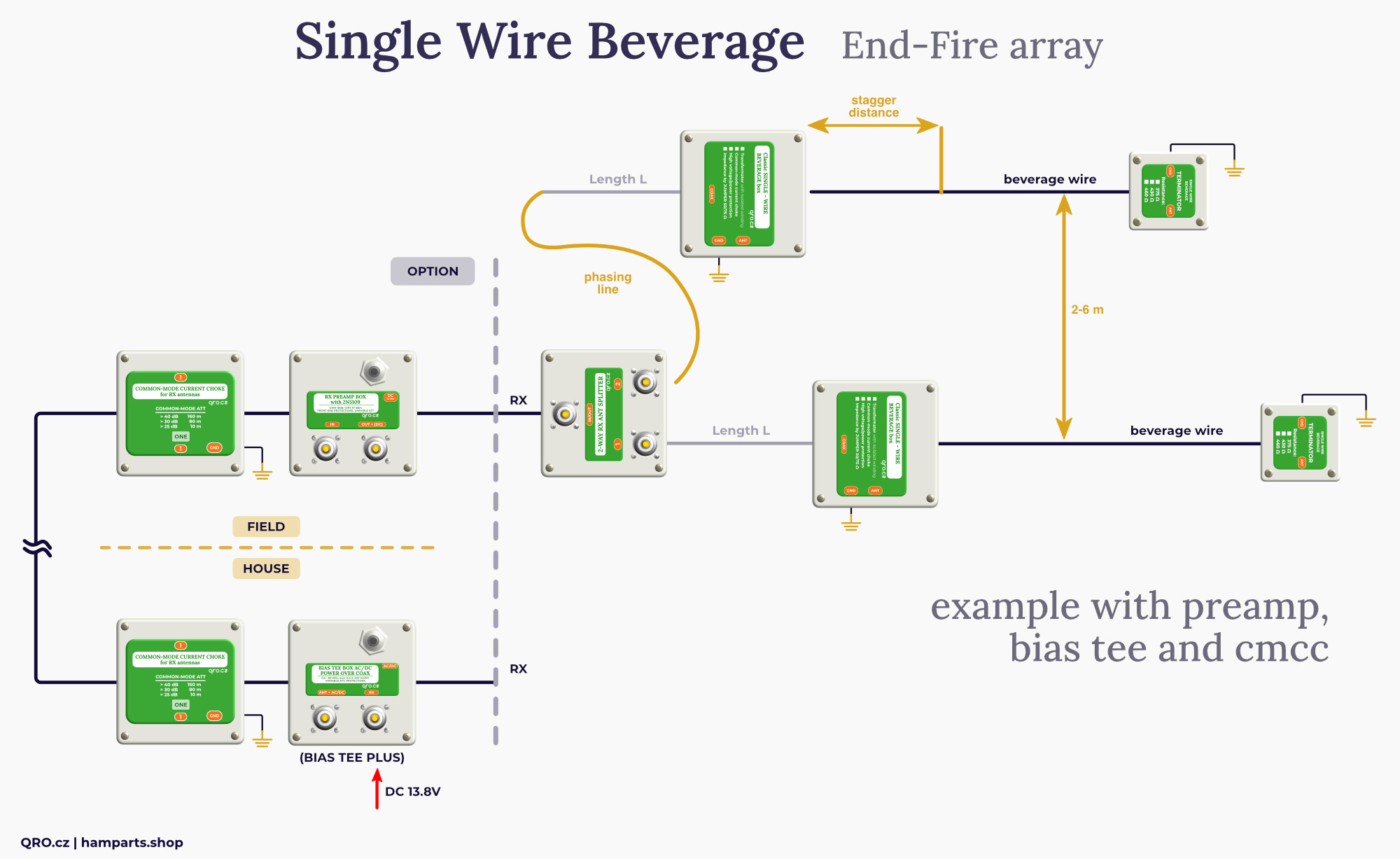
In this phased system it is necessary to set one feeder to the opposite phase. One box will have 0 and the other 180 deg. no matter the location in the system. See the following text for more information.
- For this configuration of the two-element system you need:
- - 3x Single Wire Beverage MK2 antenna set
- - 1x 3-WAY small splitter Box
- - Connecting coax - must be the same length
- - Optional: CMCC filter
- - Optional: RX preamp Box
- Use google and you can find a lot of very nice articles about the end-fire arrays
- I really recommend:
- Enhanced F/B beverages by W8JI
- Ideas for enhanced beverage antenna performance by N2NC
- And the best book called ON4UN's Low Band DXing at dx engineering
- Chapter 7 and 2.16.3. The End-Fire Beverage Array
- And some notes:
- Both antenna elements must be the same
- The same height and length
- Tune terminators to the best flat SWR - should be under 1 : 1.3 (on 50 Ohm feeder)
- Select null direction if needed from table
- Calculate phasing line
- Do NOT forget on: 2 * Length L + phasing line must be more than diagonal between feeders!
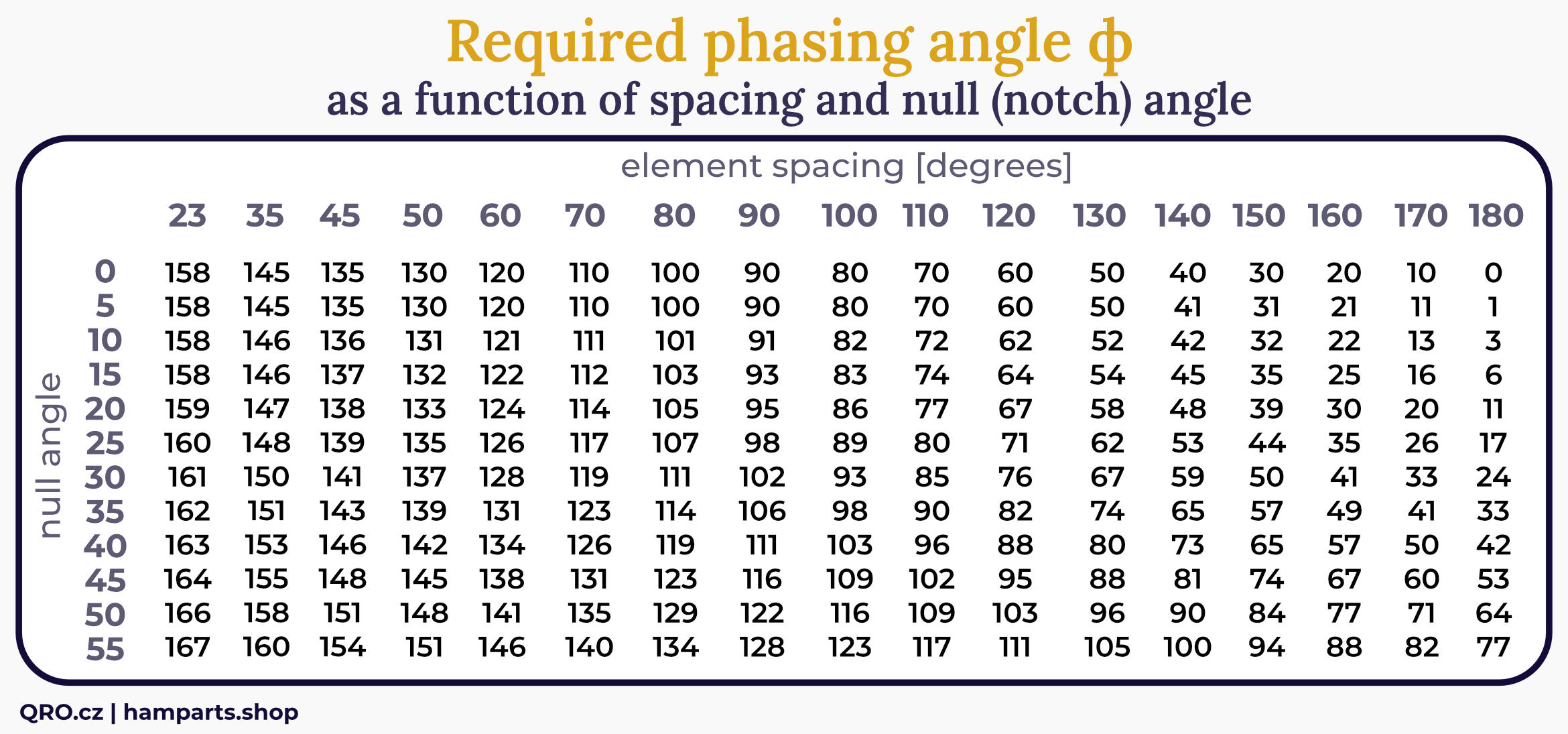
- Table with phasing lines vs. element spacing and NULL:
- Element spacing (degrees) = beverage stagger distance (20m distance on 160m band is 45°)
- NULL angle is angle you want to notch the signal from
- Result: Phasing angle for next calculations
source: ON4UN LBDX
Example for 3 band array
- Example by John ON4UN - source ON4UN's Low Band DXing (buy this book!) - Table 7-37
- from table chose Stagger distance for 20m - 20m is MAXIMAL distance which works on 160, 80 and 40m bands!
- chose space distance 2 to 6m
- from table chose NULL direction for unwanted signal
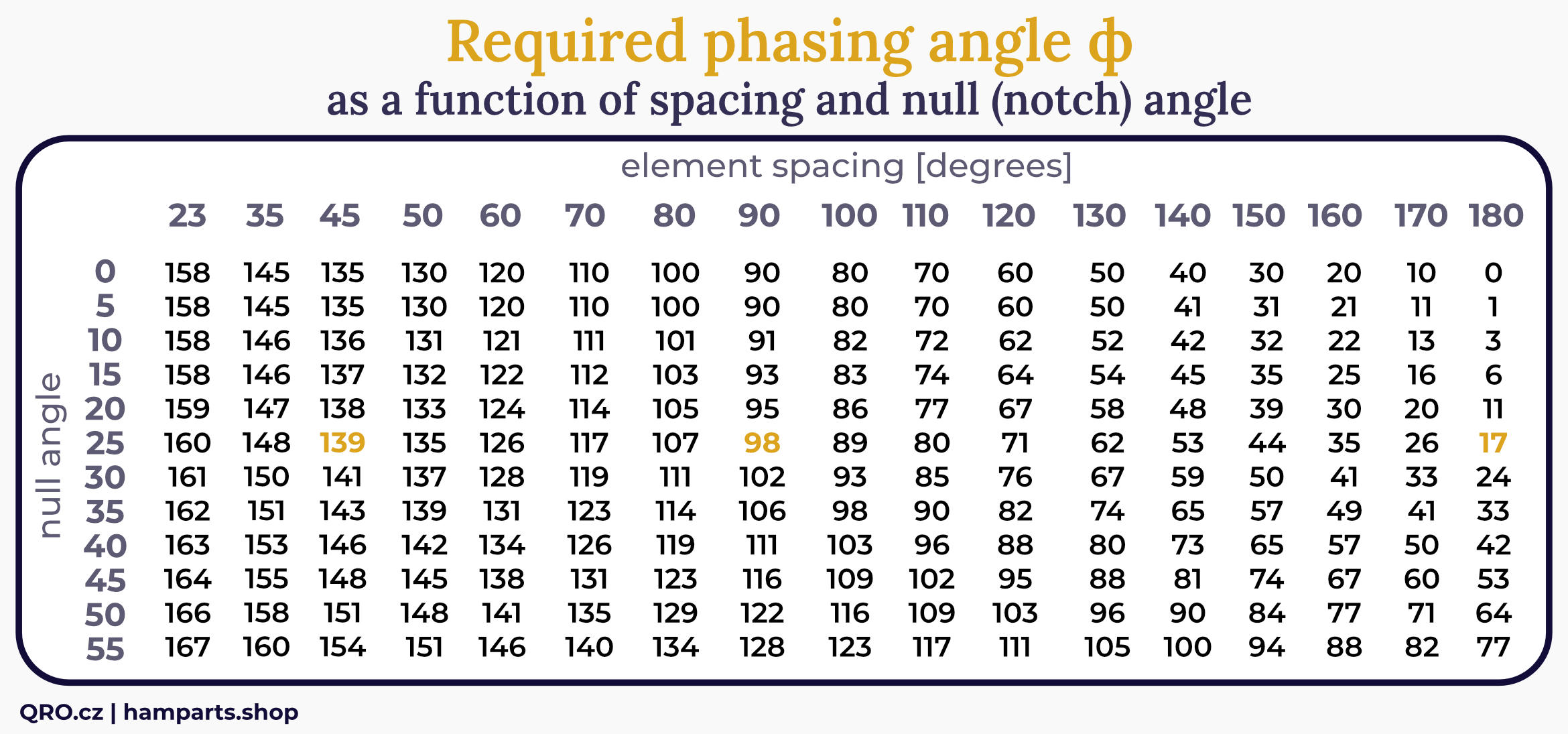
- from table: stagger distance 20m means element spacing (degrees) - 45° on 160m, 90° on 80m and 180° on 40m band
- NULL signal from 25°, then phasing angle will be 139°, 98° or 17° on each band
- then phasing line is 180° - phasing angle. 180° is done by one transformer in feeder box
- physical length depends on coax cable velocity factor (VF), for example RG-58 is VF=0.66
- so for needed 41° phasing line it is 12.34m
- calc: 300 / frequency (MHz) ➜ * VF ➜ / 360 ➜ * 41 = physical length (m)
- DO NOT FORGET to check diagonal length. For stagger and space distance (20 and 5m) it is 20.6m. There must be something more for connectors etc. There is some Length L line, which must be the same for both feeders and helps with better installation. Then is you use L = 5m then coax cables from feeders to 2-way splitter will be: first 5m and second 5m + 12.34m = 17.34m. Total diagonal length is 5m + 17.34m = 22.34m, we need more than 20.6m.
Simply working configuration
- Works on 160m, 80m and 40m band without any changes
- The biggest advantage of this antenna is F/B
- You usually do not need to null any signal from any direction
- Anyway it is not easy from calculations to real world
- So you can build this configuration, which works from 160m to 40m with very good parameters
- Do not forget to check phase shift jumper in feeders and connection of phasing coax to right feeder.
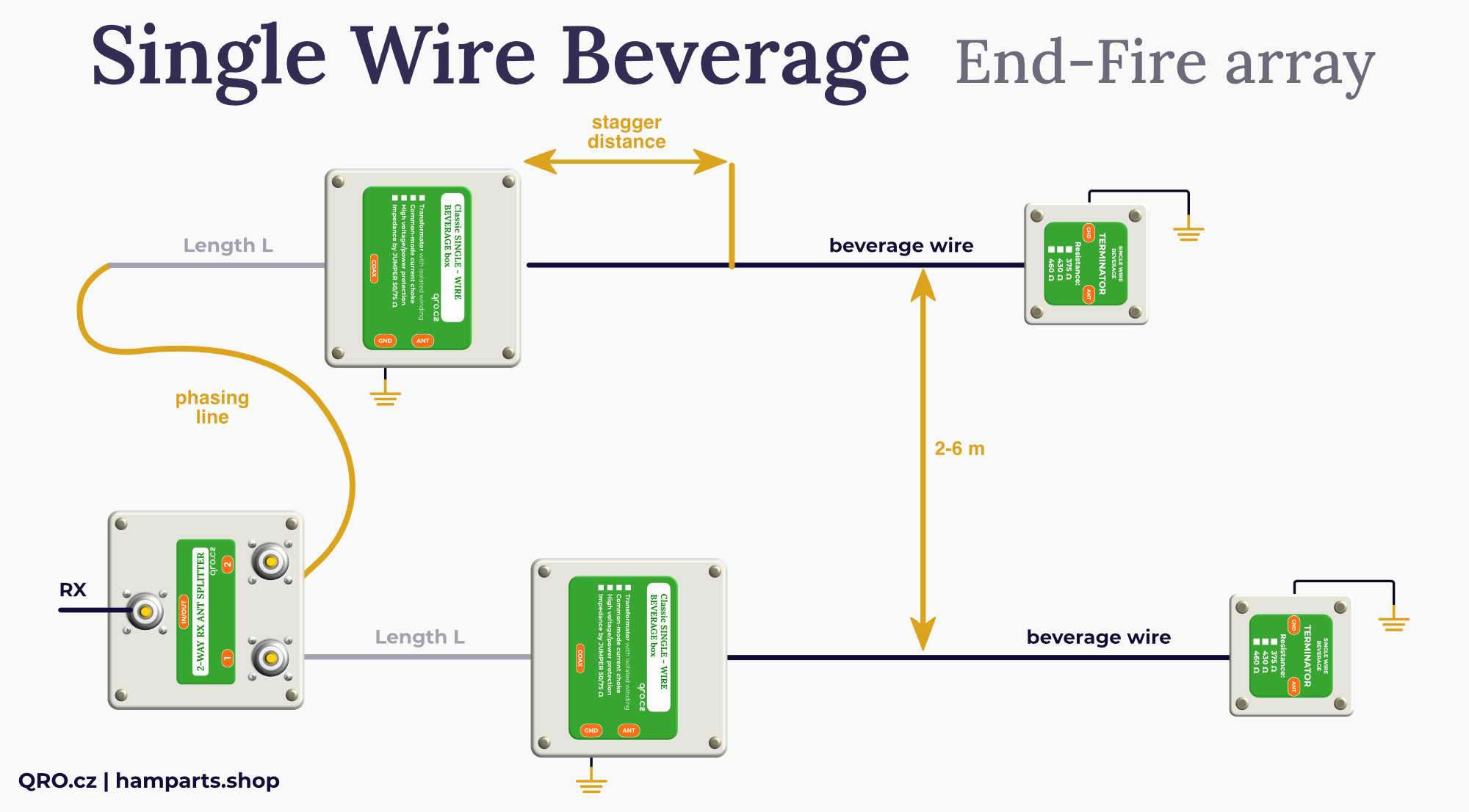
- Spacing 2m to 6m (not critical, you can go up to 10m)
- Stagger distance 20m - must be the same on start and also end of beverage
- Phasing line coax 12.34m of RG-58. Length L 5m or more - must be the same on both sides
- Phasing line from different coax is dependent on VF of the cable
- Phasing line made from coax with VF=0.81 will be around 15.2m


Related products


81.07 €
(tax incl.)
67.00 €
(without tax)
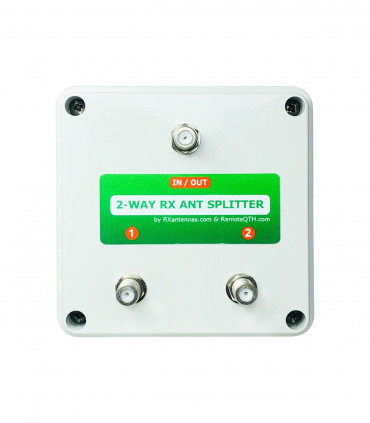
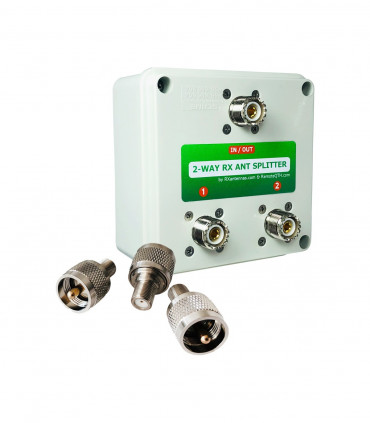
The splitter or combiner is a very useful device. It can provide equal voltages, equal current, or equal power to matched or unmatched loads.


90.75 €
(tax incl.)
75.00 €
(without tax)
RX preamplifier with variable gain, protections and power over coax.
76.23 €
(tax incl.)
63.00 €
(without tax)
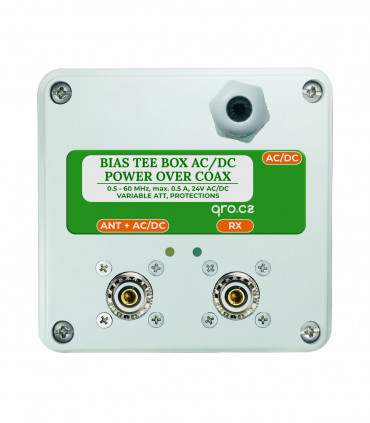
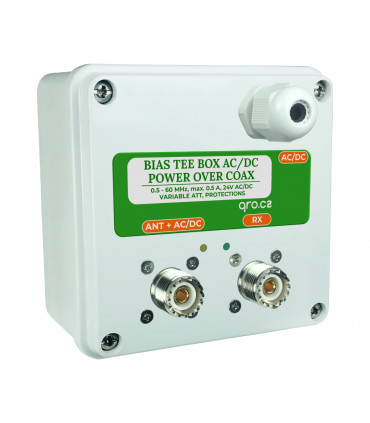
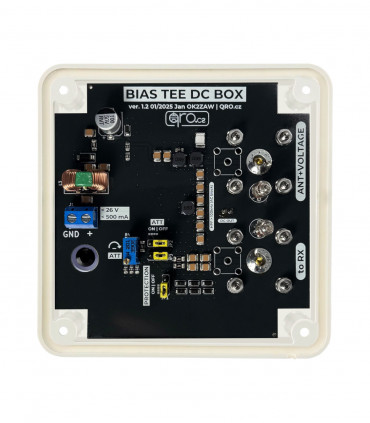
A bias tee is used to insert AC or DC power into an HF signal to power remote antenna preamplifiers (DC), Bi-directional beverages (AC) or other devices.
75.02 €
(tax incl.)
62.00 €
(without tax)
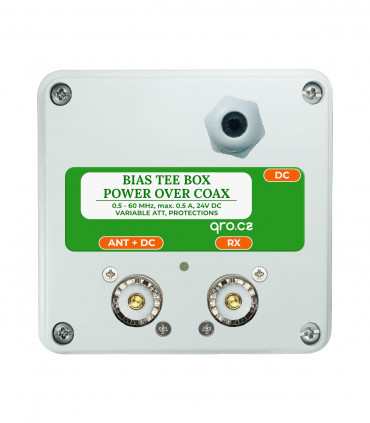
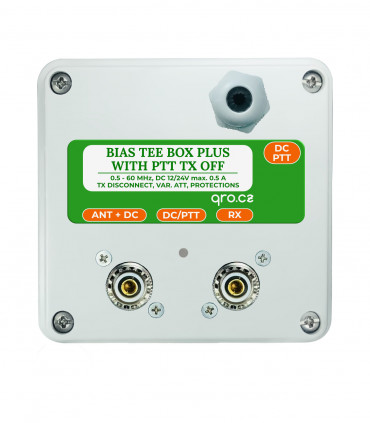
A bias tee is used to insert DC power into an HF signal to power remote antenna amplifiers or other devices.
98.01 €
(tax incl.)
81.00 €
(without tax)
A bias tee for DC voltage with PTT TX OFF
67.76 €
(tax incl.)
56.00 €
(without tax)
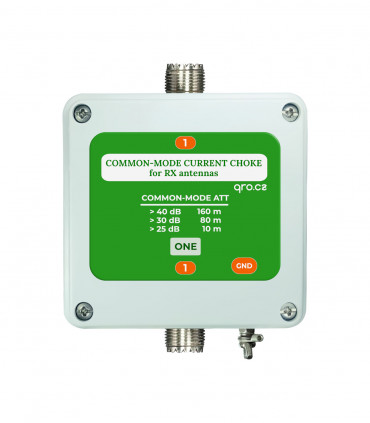
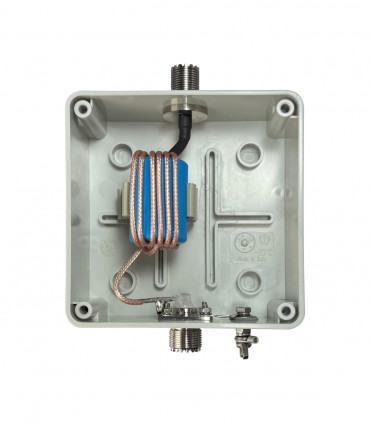
Common mode choke coils work as a simple wire against differential mode current (signal), while they work as an inductor against common mode current (noise).
Leave a Comment
Leave a Reply
Please login to post a comment.